
Winning new clients
How to win new clients, in the order that works.
Most advice starts with tactics. Start with who you want, what a client is worth and why they would pick you, and the tactics get a lot easier. Here is the whole method, in seven steps.
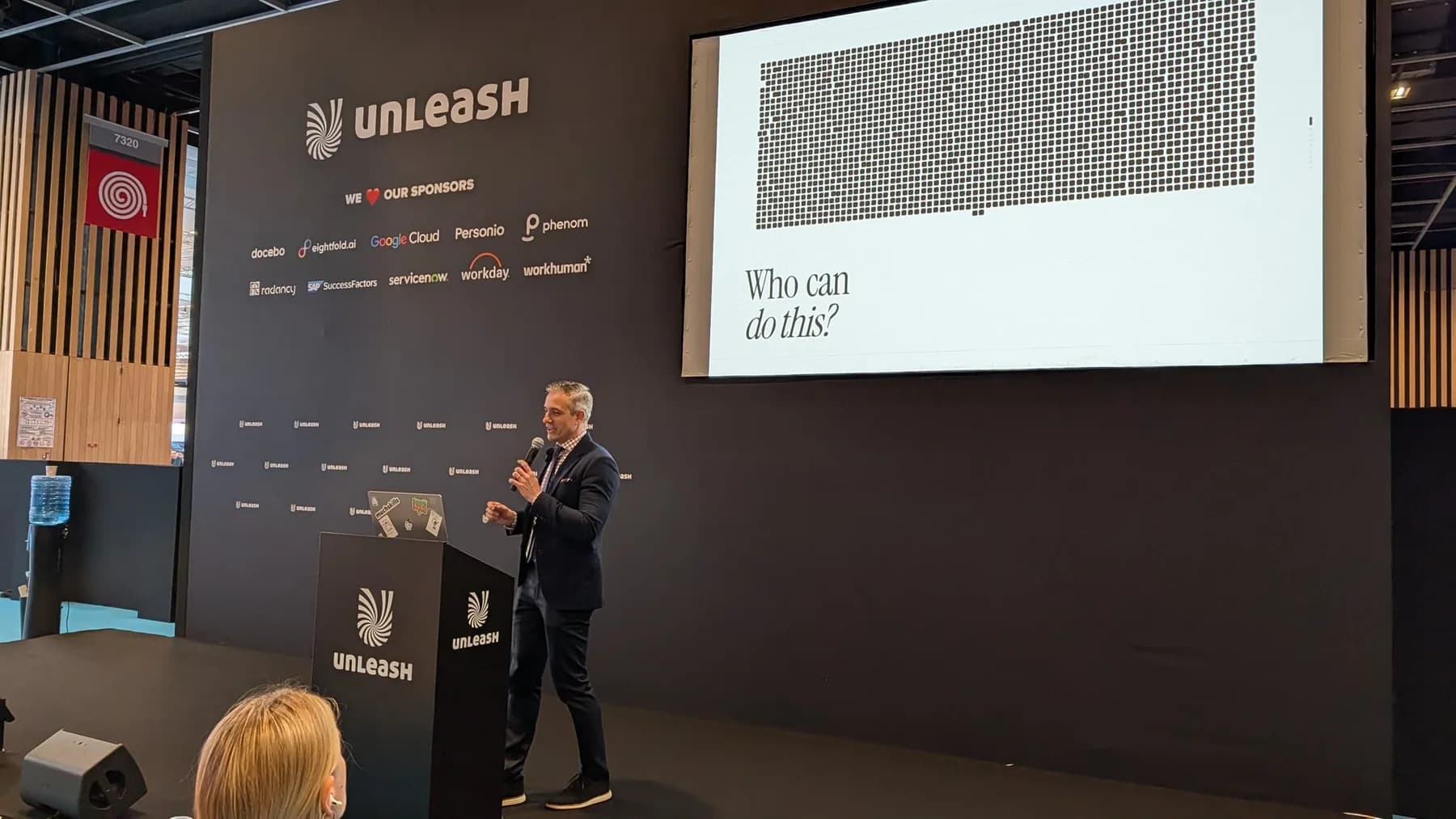
Everyone who runs a B2B company comes back to the same question: how do I get more clients? I have asked it at every company I have built. At Appland, one and a half people ended up selling to more than 100 mobile operators in 40 countries. The people who ask me usually want a channel, a tool or a campaign. In my experience the channel is rarely what is holding them back.
What holds them back comes earlier. They have not decided who they want, so they chase everyone. They do not know what a new client costs, so they cannot tell a good campaign from a bad one. They describe what they do, and buyers cannot see why it matters to them.
So this is the order I work in. Each step makes the next one cheaper. Go through them in order the first time, then come back to whichever one is weakest.
Decide who you want, and who you do not
Read the guide to customer profiles →The most common mistake is casting the net too wide. Excluding anyone feels like throwing away revenue, so nobody does it, and the team ends up spending its best hours on clients who will never move the business forward.
Describe the segments and the people you want. Then write down the ones you will say no to. You can still take work outside the profile when you need the money. The point is where your time and your budget go by default.
Do the maths before you spend
Read the maths of winning clients →Find out what a new client costs you, what that client is worth, and how long it takes to get your money back. Do it per segment. The cheapest clients to win are often the worst business, and you will never see that in an average.
There is a free calculator to do it with.
Find out what they actually want
Read how to understand your customers →People do not buy your product. They hire it to get something done. Find out what is already known, talk to real customers about what really happened, and only then send a survey.
Then rank what you learned in your value proposition, compare yourself with what they could do instead, and make sure you do not sound like everyone else.
Test it on people who can say no
Read what people say versus what they buy →People are polite. In an interview, plenty will tell you they would buy. Ask for a signature and far fewer do.
So test with buyers you do not know, as close to a real purchase as you can get: a paid pilot, a letter of intent, a small campaign where you count booked meetings. Dropbox, Buffer and Warby Parker all found clever ways of doing this.
Reach them and run the sale
Read how to get new clients →Now the tactics make sense. We went through 880 recorded conversations with buyers, customers and partners to see what came before our wins. Someone with a problem goes looking for a solution, so you need to be findable wherever they look: AI, Google, Microsoft search, partners, colleagues. Beyond that, nobody can tell you in advance what will work for you. So try many things, keep score and do more of what works.
When someone replies, you need a sales strategy, stages that mirror how your customer buys and a presentation that answers their questions. And if others already sit in the room with your customers, a partner programme can take you further than you could get alone.
Keep them, and let them bring the next one
Read how to keep B2B clients →Count how many clients you lose, find out why they really left, and spot the next one before it happens. How long a client stays is a direct multiplier on what they are worth.
Then map the whole journey from their side, because that is where most of the reasons for leaving begin. Clients who stay and are happy are also where your best referrals come from.
Write it down so it lasts
Read how to make everyone understand your customer →All of this usually lives in one or two heads. Write it down, train the team on it, and keep it true.
A new colleague should be able to read who your customer is on their first day. AI needs exactly the same thing, which is why I built a second brain.
Work together
Want help with this?
This is the work we do at Up Strategy Lab, in workshops with B2B companies: who to go after, what to say and how to sell it. If you would rather do it with someone who has done it before, I would like to hear from you.
Frequently asked questions
How do I get new B2B clients?
Decide who you want and who you do not, work out what a new client may cost you, find out what those clients actually want, and test your offer on buyers you do not know. Make sure you can be found when they go looking, try the channels they use, build a sales process that mirrors how they buy, and keep the clients you win so that they refer the next ones.
What is client acquisition?
Everything a company does to find and win new clients: deciding who to go after, marketing, outreach, sales and partners. Its cost per client is called customer acquisition cost, and it only makes sense next to what a client is worth over the whole relationship.
How do you calculate customer acquisition cost?
Add up everything you spent on marketing and sales in a period, including salaries and your own time, and divide it by the number of clients you won. If you spent 30,000 in a quarter and won 20 clients, your customer acquisition cost is 1,500. Calculate it per customer segment as well, because the average hides which clients are worth winning.
Which client acquisition channel works best?
Nobody can tell you in advance, so test several and compare them on cost per client. Start by making sure you can be found when someone has the problem you solve, through AI tools, Google, Microsoft search and partners. Alongside that, talk to people who already know you, buyers who almost said yes and referrals. Cold email and paid ads can work too, and it depends a lot on your offer.
Why do people say they would buy and then not buy?
Saying yes in an interview costs nothing, and most people are polite. That is why a test should come as close to a real purchase as possible, for example a paid pilot or a letter of intent, with buyers you have no personal connection to.