

Updated: June 2026
Most vendor presentations never get used. Here is how to build one — and train your partners to deliver it — with lessons from building the same deck 45 times.
Most vendors build their channel partner programme and then hand partners a brochure. A product sheet. A PDF with too much text and not enough story. Then they wonder why partner sales are slow.
The problem is not the partners. It is the tool.
A channel partner needs to walk into a room and sell on your behalf – to people you will never meet, in markets you cannot reach directly. For that, they need one thing: a sales presentation that transfers your story so completely that they could deliver it with confidence after a single training session. I have built channel partner programmes across nine organisations. The quality of the sales presentation is, without exception, the factor that separates programmes that generate revenue from programmes that generate activity reports.
Here is everything I know about building one.
Why the vendor must build the presentation
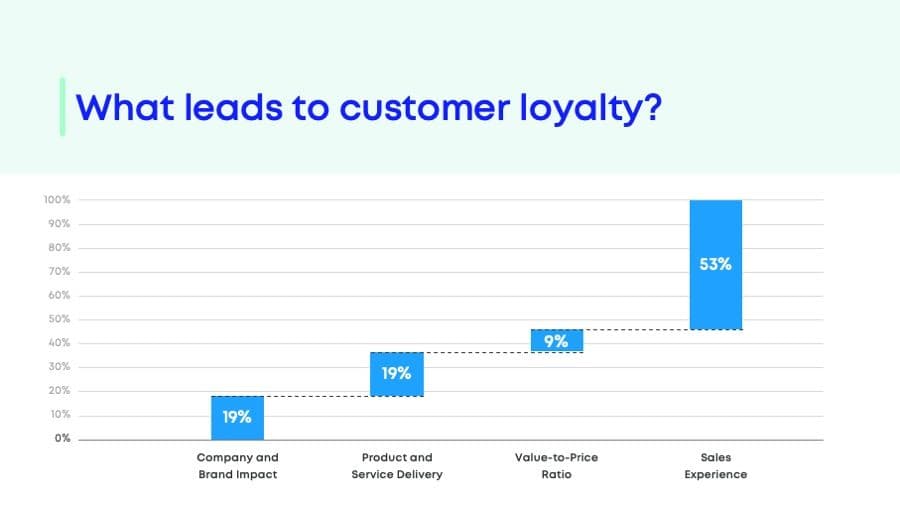
Some vendors assume the channel partner will develop their own sales pitch. I disagree – and I disagree strongly. The partner has twenty other products to sell. The time they can dedicate to learning yours is limited. If you make them build the story themselves, you have created friction exactly where you need momentum.
The vendor's job is to build the best possible sales pitch and then train the partner to deliver it. One less thing blocking your partner from going out and selling.
A well-built presentation does two things simultaneously: it educates the partner about what you do, and it trains them to explain it to end customers. When those two objectives are met in the same document, a partner can go from first briefing to first customer meeting faster than any other onboarding approach I have used.
The presentation format – PowerPoint, Google Slides, Keynote – also solves practical problems specific to channel sales. Partners can add their own logo via master slides. They can insert their company's story in the appendix without disrupting your core pitch. And a presentation exported to PDF can be sent to prospects after a meeting, shared internally with decision-makers who were not in the room, and forwarded to colleagues without any software licence required.
What makes a great channel partner sales presentation
A great presentation is, at its core, a great story. Technically, it has two parts: the core pitch and the appendix.
The core pitch is the story your partner tells in the room. It is focused, structured, and written from the customer's point of view – not the partner's, and not yours. To build it well, you need detailed customer profiles for both your B2B buyer and the end customer, a clear value proposition, and a genuine understanding of the market problem you are solving.
The appendix holds everything that matters but does not belong in the story: company background, case studies, technical specifications, partner incentives and commercial terms, and – critically – answers to the most common questions prospects ask. More on that below.
For a full breakdown of how to build the story structure, the slide rules, and a worked example of the framework in action, the sales presentation guide covers all of it. What this page focuses on is the channel-partner-specific layer: how to adapt a presentation for partner delivery, how to train partners to use it, and what goes in the appendix that a direct sales deck would never need.
A sales presentation is not a document. It is a transfer of belief. Your channel partner needs to believe in your product enough to stake their own reputation on pitching it to their clients. Most vendor presentations fail because they are designed to inform, not to convince.
How to build the sales story for channel partners
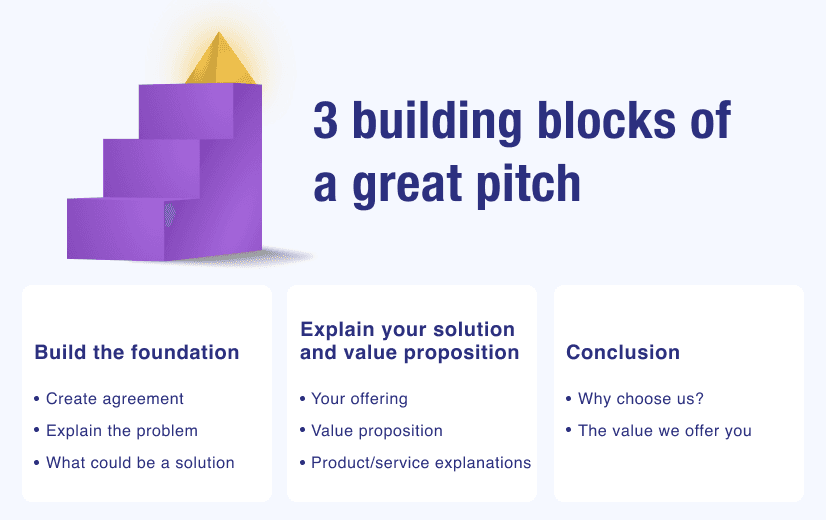
When I build a channel partner sales story, I use the same four-part structure regardless of product, industry, or market.
Build the foundation
Agree – Open with one or several slides that state something your prospect already believes. A shared truth about their industry, their market, or the problem they are living with. You are not selling yet. You are establishing that you understand their world.
The problem – In a few slides, describe the problem clearly, without mentioning your product or solution. Keep it high level. The prospect should be nodding. If they are not, you have not understood their problem well enough – and no amount of product explanation will fix that.
What a solution could look like – One slide that describes the shape of a solution, without naming your product. You are building the criteria before you reveal the answer. Done well, this slide makes your offering feel inevitable rather than proposed.
Explain your solution and value proposition
Your offering – One slide. One sentence. An image. What you do, stated as plainly as possible.
Value proposition – Several slides explaining the value you deliver – not your features, not your functions. What changes in the customer's world when they use your product. This is the section most presentations get wrong: they describe what the product does rather than what the customer gets. Those are not the same thing.
Explanation – Follow with the features and functions that deliver that value. The order matters: value first, mechanics second.
Conclusion
Why choose us – One or several slides explaining your differentiation. What makes you the right choice against the alternatives. Be specific. "We have 20 years of experience" is not differentiation. A named result with a number is.
The value we offer you – Close the core pitch by restating the value clearly. The prospect should leave the room knowing exactly what they get – not what you do, but what they get.
Appendix
Company information – Background slides for prospects who want context.
Case studies – Concrete examples of value delivered. Specific numbers wherever possible.
Partner incentives and commercial terms – Revenue share structure, margins, and any recoupable guarantees or tier benefits. Partners need to understand what they earn – and so do their managers when they approve the partnership. This belongs in the appendix, not buried in a separate document the partner has to go looking for.
Typical questions – This is the section most vendors skip – and it is where I spent significant time at Appland. By the time I left, we had a pre-prepared slide for virtually every question a prospect had ever asked. When your partner is in a room without you, this appendix is the safety net. Build it question by question, over time, as objections surface in the field.
Training your channel partners to deliver the presentation
Building the presentation is half the work. The other half is training your partners to deliver it effectively.
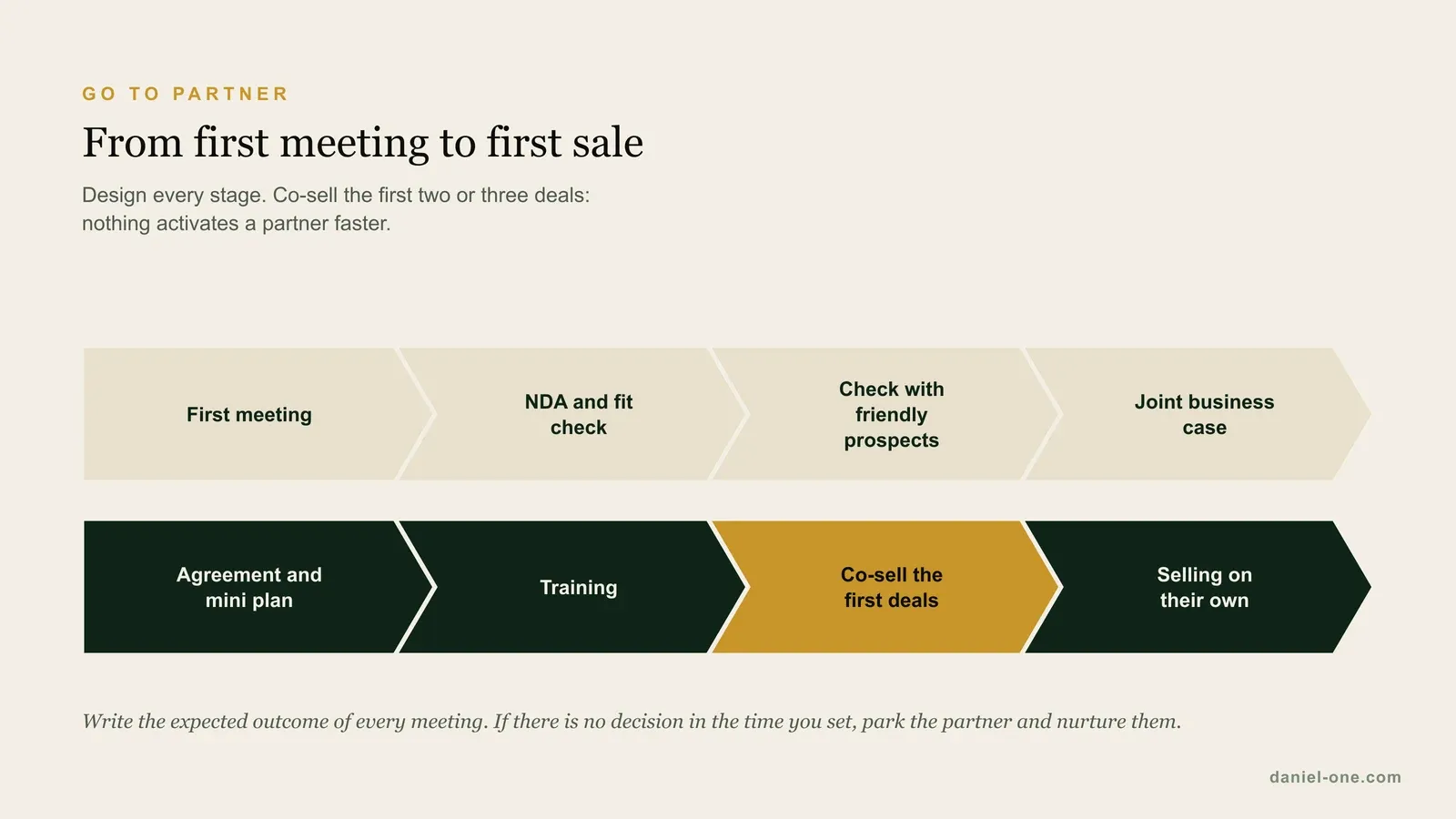
Most vendors do a single briefing and assume the partner is ready. They are not. A partner who has seen the deck once will deliver a rough, unconvincing version of your story. A partner who has been trained to deliver it – who has practised the pitch, handled the objections, and understands the logic of each section – will deliver something close to what you would deliver yourself.
The questions appendix is where training and the presentation meet. Build it slide by slide, based on real objections from real conversations. When a partner gets a question they cannot answer, that question becomes a new slide. Over time, the appendix becomes a comprehensive knowledge base – and a partner who has worked through it has effectively been through sales training without sitting in a classroom. If you are using AI to help build or refine this material, the same rule applies as everywhere else in sales: the customer and product knowledge has to go in first. The tool multiplies what you give it.
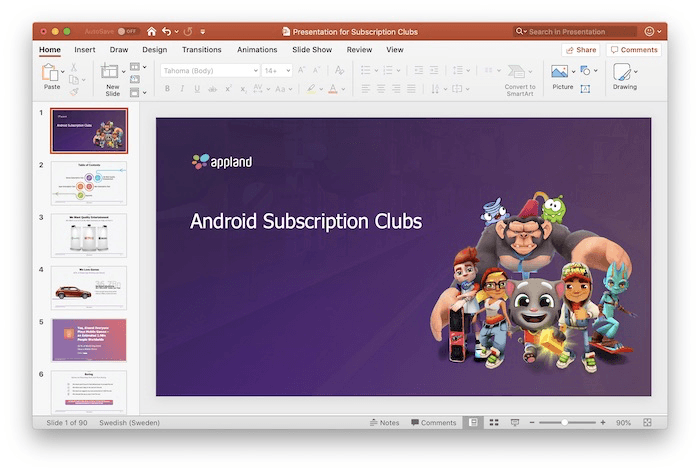
At Appland, the bank of answers grew over three and a half years. By the time I left, a partner could handle virtually any question a telecom operator threw at them, because we had seen every version of every objection and built the response into the deck. That is not a document. That is a sales system.
The Appland presentation was the best channel sales presentation I ever built. It went through 45 iterations – and Appland signed over 100 of the world's biggest telecom operators as customers, with partners willing to pay a $20,000 recoupable guarantee to close a deal. The full story is in How I built a hugely successful partner programme and you can too. If you want to go deeper on building a sales training programme around this approach, the B2B sales training programme guide covers it in detail.
What most channel partner presentations do wrong
I have reviewed a lot of sales presentations over 20 years. The same mistakes appear repeatedly – and several are specific to channel sales.
Egocentric – The presentation is about the company and the product. Customers do not care about either. They care about their own problems and what changes in their world when those problems are solved. Reframe every slide: not "what we do" but "what you get."
No partner angle – A direct sales presentation and a channel partner presentation are not the same thing. The channel version needs to answer a question the direct version never has to: what does the partner get out of this? Revenue share, margin, branding, co-marketing support – these are not afterthoughts. They are part of the value proposition for the partner.
Too much text – A presentation is not a document. Dense slides do not signal depth – they signal that you have not done the work of deciding what matters most. One idea per slide, stated as concisely as possible.
No storytelling – A list of features is not a sales pitch. Humans remember stories. The Agree → Problem → Solution structure exists because it mirrors how people naturally reach decisions. Skip it and you are pitching into a void.
No questions appendix – Every objection a prospect raises is a slide you have not yet built. The vendors who win in channel sales are the ones whose partners can answer anything – because the vendor anticipated the question and built the answer into the deck.
Poor design – A presentation that looks unprofessional signals a product that might be unprofessional. Partners will use this deck with their own clients. It reflects on them as much as on you. If design is not a strength, engage a designer.
What this looks like in practice
When Up Strategy Lab builds the sales enablement infrastructure for a partner programme, the presentation is never a standalone deliverable. It is built alongside the partner onboarding process, the training programme, and the commercial terms framework – because those things are interdependent.
For CapillaryFlow – a company with patented drainage and irrigation technology for golf, equestrian, and sports field markets – we built a full sales toolkit: presentations for different verticals, ROI calculators, installation guides, product videos, and brochures. The partner programme launched with everything a partner needed to start selling on day one. The result was a 777% increase in direct sales leads in the equestrian segment and an 11% increase in the golf segment against 9% market growth.
For Spirit Health's Clinitouch remote monitoring platform, we built the partner programme strategy and the external-facing tools – presentations, qualification forms, the partner playbook. The programme launched and signed 17 new partners across 11 countries on 5 continents within 18 months.
The sales presentation is not the last thing you build in a partner programme. It is the thing that makes everything else work.
Build the sales enablement infrastructure your partner programme needs
If you are building a partner programme and need the sales presentation, the training framework, and the commercial infrastructure to make it work – that is one of the core things we build at Up Strategy Lab. The work with Daniel page explains what that engagement looks like.
I've built partner programmes for Tele2, Sinch, CapillaryFlow, Learnit, Volusion, Viking Analytics, LiveU, and MuchSkills. If you want to understand the thinking behind all of this, the manifesto is a good place to start.
If you want tested ideas on building better B2B companies – including partner programmes, sales, and go-to-market thinking – The Visibility Edge goes out to 7,000+ readers when I have something worth sharing.
Frequently asked questions
What should a channel partner sales presentation include?
A channel partner sales presentation should have two parts: a core pitch and an appendix. The core pitch tells the sales story – starting with shared agreement, moving through the problem, and arriving at your solution and its value. The appendix holds everything else: company background, case studies, partner incentives and commercial terms, and answers to common prospect questions. Keep the core pitch to 25 slides or fewer.
How do you train channel partners to deliver a sales pitch effectively?
The most effective approach is to build the pitch yourself – do not ask partners to develop it – then run a structured training session where partners practise the delivery and work through the questions appendix. Every objection a partner cannot answer in the field should become a new slide in the appendix. Over time, this creates a sales training system built from real conversations rather than classroom assumptions.
What is the difference between the core pitch and the appendix in a channel partner presentation?
The core pitch is the story you tell in the room: structured, focused, and built entirely around customer value. The appendix is the reference material that supports the pitch without cluttering it – company information, technical details, case studies, commercial terms, and a slide-by-slide answer bank for common prospect questions. A partner delivering the core pitch should never need to leave it to answer a basic question; the answers are waiting in the appendix when needed.
How many slides should a B2B channel partner presentation be?
The core pitch should be no more than 25 slides. The appendix can be longer – there is no upper limit, since it is reference material rather than a live presentation. What matters is that every slide in the core pitch earns its place. If a slide is not advancing the story or the value proposition, it should go to the appendix or be cut entirely.
The Visibility Edge
Tested ideas on building better B2B companies, when there is something worth sending.